Quick answer
To start hotshot trucking you need a heavy-duty dually pickup with a flatbed or gooseneck trailer, an MC authority and USDOT number, cargo and liability insurance, and either a CDL or a non-CDL setup that stays under 26,001 lbs combined. Expect roughly $15,000–$60,000 in startup costs depending on whether you buy used or new equipment, then target rates above $1.50 per mile and line up loads through load boards, brokers or a dispatcher before your first load.
Key takeaways
- Hotshot trucking means hauling smaller, urgent freight with a Class 3–5 dually pickup and a 35–53 ft gooseneck or flatbed trailer.
- You can run non-CDL only if your truck and trailer combined stay under 26,001 lbs — most serious hotshots go CDL for flexibility.
- Legal setup: MC authority ($300 FMCSA filing), USDOT number, BOC-3, UCR, IFTA if applicable, and an ELD.
- Insurance typically runs $7,000–$15,000+ per year depending on radius, record and cargo type — get quotes before you buy the truck.
- Realistic all-in startup cost is $15,000 with used equipment and well over $80,000 buying new.
- Winning at hotshot is about rate per mile and deadhead control, not just staying loaded — target $1.50+ per mile and plan every reload.
What is hotshot trucking?
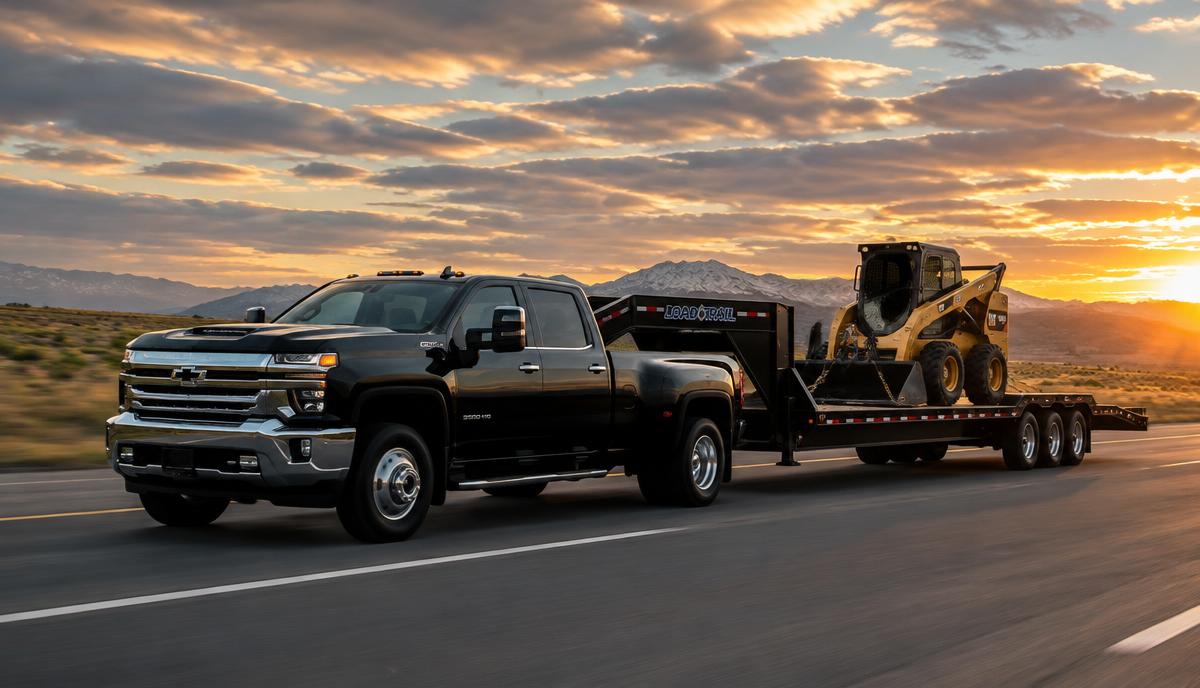
Hotshot trucking is the hauling of smaller, time-sensitive freight — machinery, building materials, agricultural parts, oilfield equipment, LTL loads that missed a dry van — with a heavy-duty pickup truck (Class 3 to 5, like a Ram 3500/4500 or Ford F-350/450) pulling a flatbed or gooseneck trailer.
The name comes from the original job: a truck dispatched at a moment's notice to move freight that could not wait for scheduled freight. Shippers pay hotshot rates because the freight is urgent, high-value or too small for a full dry van, and a hotshot can often deliver next-day across a region where a semi would be overkill.
The trade-off is economics: a hotshot burns nearly as much fuel as a day cab but hauls a fraction of the weight. That means your margin lives or dies on rate per mile and how few empty miles you run.
Hotshot trucking requirements: the legal checklist
A hotshot operation is a for-hire motor carrier, and the FMCSA treats it the same as any semi fleet. Before your first paid mile you need:
- MC authority — the FMCSA operating authority filing ($300 per authority type) plus the ~21-day protest period before it activates
- USDOT number for your operation
- BOC-3 process agent designation
- Liability insurance at a minimum of $750,000 for general freight (many brokers require $1,000,000) plus cargo coverage, filed as a BMC-91/ICC filing through your insurer
- UCR (Unified Carrier Registration) paid annually based on fleet size
- IRP apportioned plates and IFTA fuel reporting if you run across state lines
- An ELD if you run over the 150 air-mile short-haul exemption
- Drug and alcohol consortium enrollment for the driver
CDL or non-CDL: which one for hotshot?
The CDL question decides your equipment ceiling. If your truck, trailer and load combined stay under 26,001 lbs GVWR/GCWR, you can legally run non-CDL. That sounds attractive, but a loaded gooseneck with a skid steer blows past that fast — and most experienced hotshot operators get the CDL anyway so weight limits never cap what they can bid on.
Truck and trailer: what to buy
The truck matters more than most beginners expect. Oversized loads, mountain grades and 80 mph interstates punish underpowered setups, and brokers remember carriers who cannot handle their freight.
| Component | Typical choice | Why it matters |
|---|---|---|
| Truck | Class 3–5 diesel dually (Ram 3500/4500, F-350/450) | Tow capacity, braking and resale; diesel holds up under constant towing |
| Trailer | 35–53 ft gooseneck or deck-over flatbed, 14k–40k GVWR | Gooseneck tows more stable and hauls heavier than bumper-pull setups |
| Securement | Chains, binders, straps, edge protection, toolboxes | Dot securement violations are among the most common roadside failures |
| Extras | Hutches, headache rack, spare tire mount, load locks | Cargo protection and professional appearance for broker inspections |
How much does it cost to start hotshot trucking?
Startup costs swing wildly with equipment choices. Here is an honest range:
| Cost item | Used-economy setup | New/near-new setup |
|---|---|---|
| Truck (used vs new dually) | $30,000 – $55,000 | $75,000 – $95,000 |
| Gooseneck/flatbed trailer | $10,000 – $18,000 | $18,000 – $30,000 |
| MC authority, BOC-3, UCR, plates | $800 – $2,000 | $800 – $2,000 |
| Insurance down payment | $1,500 – $3,500 | $1,500 – $3,500 |
| Securement gear and equipment | $1,500 – $3,000 | $2,000 – $4,000 |
| ELD, accounting, misc. setup | $500 – $1,500 | $500 – $1,500 |
What hotshot really costs to run
If you already own a capable dually, you can be on the road for roughly $15,000–$25,000. Financing a new truck and trailer pushes the all-in figure well past $100,000 once payments start — which is why the monthly fixed cost should drive your minimum rate per mile, not the other way around.
How much do hotshot trucks make?
Hotshot rates vary enormously by region and season. As a planning number, well-run hotshots bid freight at $1.50–$2.50+ per mile on loads that justify a pickup-and-trailer setup, and accept sub-$1.50 only when a reload is already lined up. Oilfield and energy regions pay a premium; generic dry-van-style freight does not.
A single hotshot running consistently can gross roughly $4,000–$8,000+ per week in good markets. But gross is not profit. After fuel (a dually towing gets 8–12 mpg), insurance, maintenance, tires and truck payments, owner-operators who keep their books honest often find their true cost per mile is $1.20–$1.80. Every load you book below your cost per mile is money out of your pocket.
Finding loads: load boards, brokers and dispatch
Hotshot freight is scattered across load boards, broker networks and direct shipper relationships. The main channels:
- Load boards — DAT and Truckstop have hotshot-specific filters; there are also hotshot-only boards, but quality varies and cheap loads dominate them
- Brokers — build relationships with brokers who move machinery, building materials and oilfield freight; your carrier packet and references open these doors
- Direct shippers — equipment dealers, rental yards and construction suppliers pay better than brokered freight once you have references
- A dispatch service — a dedicated dispatcher searches every board and broker network, negotiates the rate, handles paperwork and plans your reloads so you drive instead of scrolling
Deadhead control: the real profit lever
The hardest part of hotshot is not finding a load — it is finding the next one near your delivery. Deadhead control is where profitable hotshots beat struggling ones. Plan the reload before you book the outbound load, every time.
Mistakes that kill new hotshot operations
- Buying a light-duty truck with a bumper-pull trailer that cannot legally or safely haul real freight
- Running non-CDL and getting shut down roadside at 26,001+ lbs combined
- Taking $0.90-per-mile loads because the truck payment is due — training brokers to always call you with cheap freight
- No fixed-cost math: not knowing your true cost per mile before bidding
- Skipping cargo securement standards and failing roadside inspections
- Running without a reload plan and deadheading 200+ miles to a load that pays $1.10
- Not tracking IFTA mileage and getting hit with audits and penalties
Is hotshot trucking worth it in 2026?
Hotshot works best for operators who treat it like a business from day one: a proper truck and trailer, real insurance, honest cost-per-mile math and disciplined lane planning. It rewards people who can handle irregular, urgent freight and punishes anyone hoping a pickup truck is an easy shortcut into trucking.
If you already own a suitable truck, startup risk is manageable and the flexibility — home daily, regional work, no 53-foot trailer payments — is real. If you are financing everything new into a soft market, run the numbers twice before you sign anything.
How Fifth Wheel Dispatch helps hotshot carriers
Fifth Wheel Dispatch LLC dispatches hotshot trucks nationwide from our Dallas, TX office — load searching across all major boards and broker networks, rate negotiation on every load, reload planning to cut deadhead miles, and full paperwork support. Pricing is 5% for standard dispatch, 4% for fleets of 3+ trucks, or the hybrid plan at $49.99 per truck weekly plus 3.5%.
Call +1 (872) 255-5130 or email info@fifthwheeldispatch.com and tell us your equipment and home base. We will tell you honestly what lanes we can keep your truck loaded in — and what your hotshot needs to earn to be worth driving.
Frequently asked questions
Can you do hotshot trucking without a CDL?
Yes — if your truck, trailer and load combined stay under 26,001 lbs GVWR/GCWR you can run non-CDL. Most loads that pay hotshot rates exceed that, so many operators get a CDL anyway for flexibility. Also note some states require a CDL for for-hire hauling regardless of weight, so check the rules where you operate.
How much does it cost to start hotshot trucking?
With a truck you already own, expect roughly $15,000–$25,000 for a trailer, authority, insurance down payment, plates and securement gear. Buying used equipment brings the total to $45,000–$80,000, and a new truck plus new trailer can exceed $100,000 all-in.
How much do hotshot owner-operators make?
A consistently loaded hotshot can gross $4,000–$8,000+ per week in strong markets at $1.50–$2.50+ per mile. Net income depends heavily on your cost per mile — fuel, insurance, maintenance and truck payments often leave $1.20–$1.80 per mile in true costs, so rate discipline decides your profit.
What kind of truck do I need for hotshot trucking?
A Class 3–5 heavy-duty diesel dually — Ram 3500/4500 or Ford F-350/450 — paired with a 35–53 ft gooseneck or deck-over flatbed trailer rated for the loads you plan to haul. Half-ton pickups with bumper-pull trailers generally cannot haul enough weight to be profitable.
How much is hotshot trucking insurance?
Most hotshot operations pay roughly $7,000–$15,000+ per year for liability and cargo coverage, depending on operating radius, driving record, cargo type and filing requirements. Brokers typically require $750,000–$1,000,000 liability. Get quotes before you buy equipment — insurance can make or break the budget.
Do hotshot trucks need an MC authority and ELD?
Yes. A hotshot hauling for-hire across state lines is a regulated motor carrier: you need MC authority, a USDOT number, BOC-3, UCR registration and an ELD unless you stay within the 150 air-mile short-haul exemption. IFTA applies once you run interstate.
Is a dispatch service worth it for a hotshot?
For most one-truck hotshots, yes. A dispatcher keeps the truck loaded, negotiates rates above posted-board numbers, plans reloads to cut deadhead miles and handles broker paperwork — which is usually more than the fee it costs. Fifth Wheel Dispatch charges 5% standard or a $49.99 weekly plus 3.5% hybrid plan, with no forced dispatch.
Want this handled for you instead?
Fifth Wheel Dispatch LLC dispatches owner-operators and small fleets across all 48 states — 13 equipment types, dedicated dispatchers, rate negotiation on every load, and full paperwork support. Standard 5%, fleet 4%, or hybrid at $49.99 per truck plus 3.5% weekly.
Keep reading
Most new authorities fail on cash flow, not on freight. Here is the setup, sourcing, and paperwork sequence that gets a brand-new MC loaded and paid in the first three months.
Not every load board is worth its subscription. Here is what each of the major boards actually delivers for a one-truck operation — and where the free options fall short.
New trucking companies fail fast when freight dries up or rates fall below costs. This guide explains how dispatch services help startup carriers find loads, negotiate rates, set up brokers and avoid common first-year mistakes.
A full breakdown of semi-truck insurance costs for owner-operators: liability, cargo, physical damage, bobtail and workers comp — why new authorities pay more and how to cut your premium.